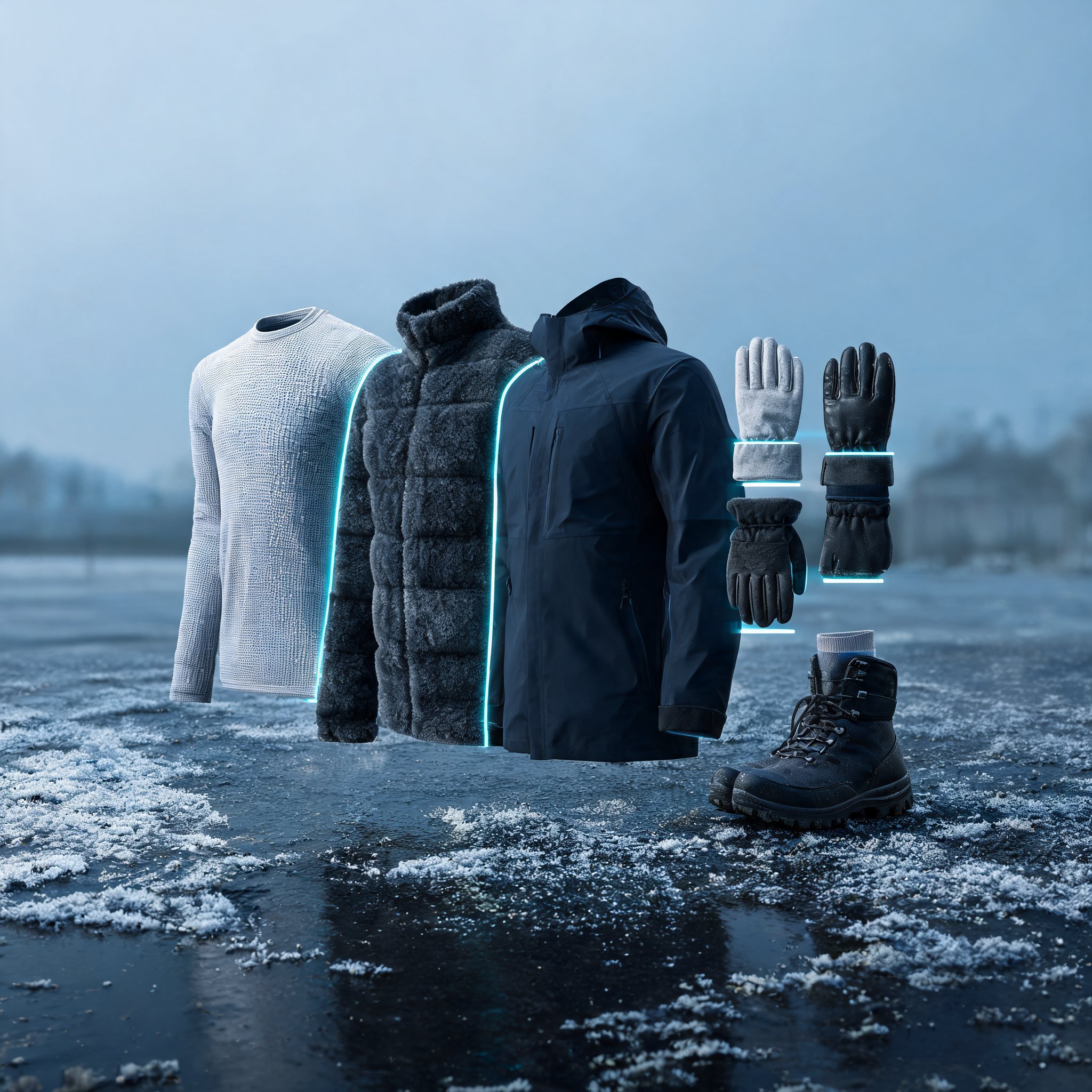
CWS Workwear International GmbH, based in Dreieich, has highlighted five typical protection gaps for winter personal protective equipment (PPE), with particular attention to how clothing layers are combined. The company’s guidance addresses outdoor work in cold, wet and frosty conditions, where the hazard situation at many workplaces changes but PPE is often not adjusted.
According to the current guide, protection gaps arise mainly in the interaction between clothing layers. Individual garments may be certified, but the combination actually worn does not meet the requirements of the relevant standards. That distinction places the risk in the assembled PPE system rather than only in the choice of a single item.
The company links the issue to shorter days, moisture and frost, which alter conditions at many outdoor work sites. In that setting, PPE that was suitable under other conditions may no longer provide the expected protection if it is not adjusted. CWS Workwear’s five-point framing focuses attention on selection and combination as practical points where protection can be lost.
The guidance does not present the five gaps as isolated product failures. Instead, it identifies the worn combination as the critical unit for compliance: certified components must work together to satisfy the relevant norms. For workers and those selecting PPE, the central message is that winter PPE needs to be assessed as a layered system when cold, wet and low-light conditions change the demands of outdoor work.